
Madame and the Students
Never Let Me GoMadame’s fear of the students coexists with her work on their behalf, and her encounters with Kathy reveal grief rather than simple hostility.
increasing Bearing strength in each event
 decreasing
Bearing strength in each eventdecreasingA Distant Collector
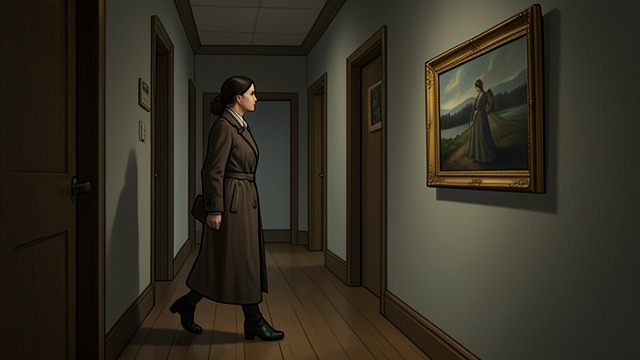
A Distant Collector
Selecting student work
Madame visits Hailsham to take chosen creations for her collection. She avoids ordinary contact with the students and appears cold to them.
A persistent mystery
The students speculate about why she wants their work and what the Gallery means. Her distance makes the collection feel both prestigious and unsettling.
The Spider Moment
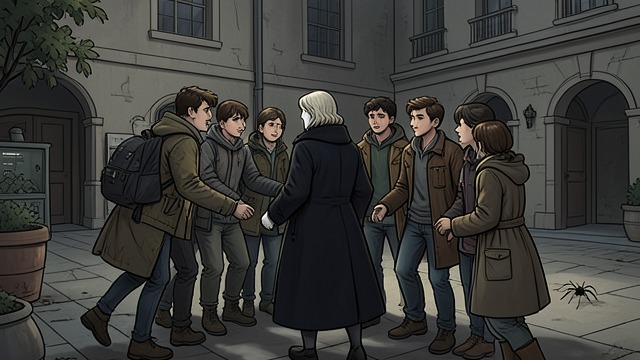
The Spider Moment
Testing a suspicion
Ruth proposes that Madame is afraid of the students, and a group stages a polite swarm around her in the courtyard. Madame visibly recoils as they approach.
Seeing themselves from outside
The students realize her fear resembles a person’s fear of spiders. The discovery forces them to confront their own social difference through another person’s gaze.
A Dance Seen Through the Door
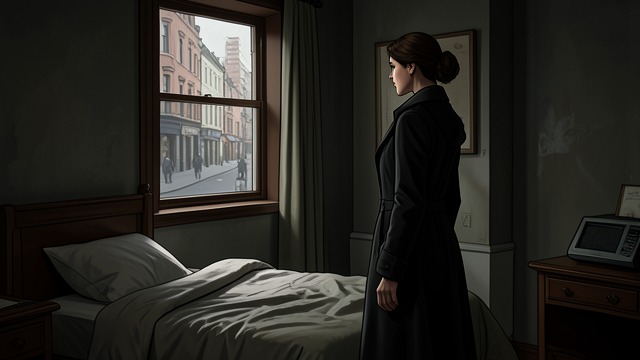
A Dance Seen Through the Door
A private scene witnessed
Madame sees Kathy dancing alone with a pillow while listening to the song “Never Let Me Go.” She cries but does not enter the room or explain her response.
A meaning left open
Kathy and Tommy later speculate that Madame understands the students’ inability to have children. The moment remains emotionally powerful because neither child can know what Madame actually saw.
A Shared Project Exposed
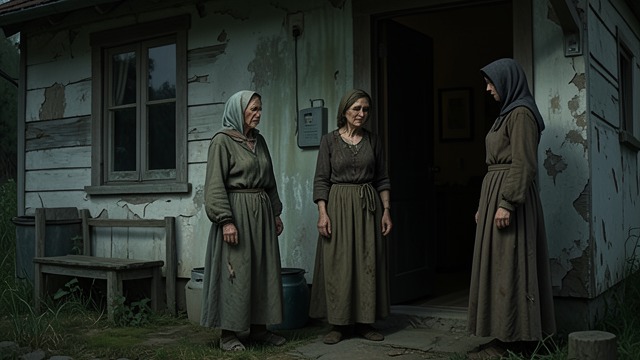
A Shared Project Exposed
Facing former guardians
Kathy and Tommy discover Miss Emily at Madame’s house and ask about the Gallery and deferrals. The former authority figures are now frail and their project has ended.
Complicated responsibility
Miss Emily explains that Madame worked hard to improve the students’ lives, though neither woman could alter their basic fate. The students’ fear of Madame does not erase her commitment to them.
The Meaning of the Tears
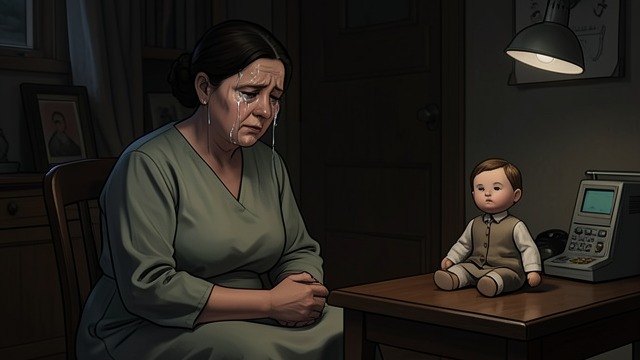
The Meaning of the Tears
Kathy asks directly
Kathy reminds Madame of the childhood dance and asks why she cried. Madame explains that the song and the child’s yearning made her think of a vanishing, kinder world.
Sympathy without power
Madame’s tears express grief for a harsh social order, not secret knowledge or a promise of rescue. Her affection cannot overcome the world that sustains the Donation Programme.
Kathy’s early childhood at Hailsham
Around age eight
Around age eleven
Near the ending, in Madame’s house
As Kathy and Tommy leave Madame’s house
